
Roller Skating Tips for Figure Skaters

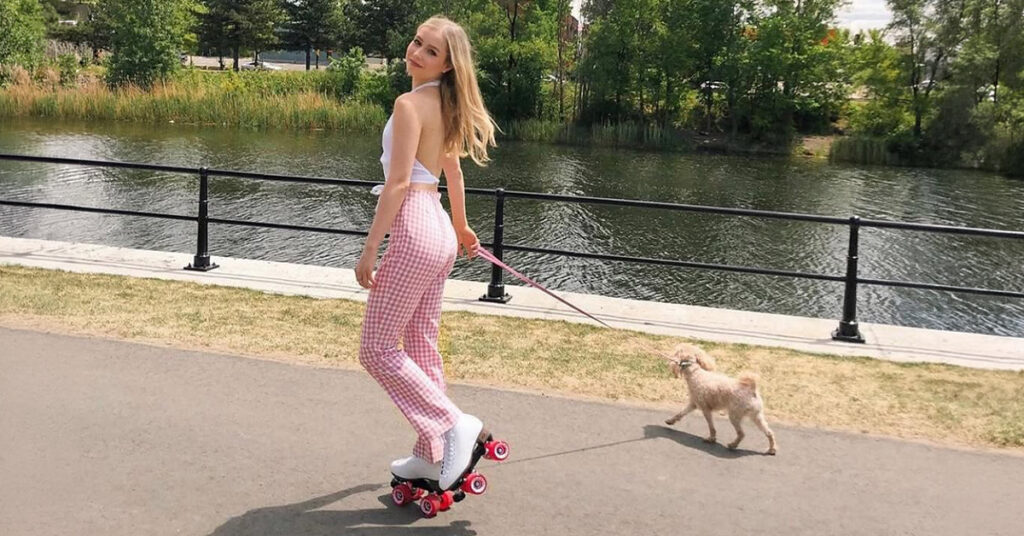
Figure skaters are no strangers to putting in the work, and roller skating is a great way to keep up with your performance when you’re off the ice. It can be a natural fit for cross-training and conditioning. It can also help you build up footwork and edge awareness that you can take back to the rink.
Plus, it’s a ton of fun.
Why Ice Skaters Turn to Roller Skating
When you get down to the more nuanced differences, figure skating and roller skating can vary quite a bit. That said, figure skaters don’t exactly have to start from scratch when they transition to roller skating. Here are a few reasons why it works so well:
- Edge awareness: The instincts you’ve built on the ice translate directly to wheels.
- Footwork: Movement patterns carry over, shortening the learning curve significantly.
- Off-season conditioning: Keeps your legs sharp and balanced when ice time is limited.
- Stamina and strength: Roller skating builds lower body conditioning that feeds back into ice performance.
The adjustment period in this transition can be tricky. Wheels and blades aren’t a one-to-one tradeoff in terms of behavior. However, many figure skaters who are less experienced with roller skating may still find they’re comfortable with their roll rather quickly.
Can You Use Your Ice Skating Boots for Roller Skating?
Not every ice skating boot is built to cross over to roller skating. However, most ice boot models can accept roller plates, since the plates just need to fit the boot’s base. The catch is that ice boots are much stiffer than roller boots.
For figure skaters curious about roller skating, this removes one potential barrier to the transition: rather than investing in a whole new setup, you may be able to mount plates to a boot you already own and feel comfortable in. Keep the stiffness difference in mind, and check with a dealer on plate compatibility for your specific model.
This is a legitimate solution for practical cross-training, if that’s what you’re looking for.
Inline vs. Quad: Which Should You Try First?
When you first start to transition from figure skating to roller skating, you should consider whether to go with inline or quad skating. The center of gravity is a bit different with quads, so if you go that route, you’ll want to spend some time adjusting your balance on your skates.
Additionally, inlines will feel more familiar due to figure skate blade mechanics, but quads can also be a bit more stable and beginner-friendly.
Here’s what each tends to feel like in practice:
- Inlines: Single-line wheel configuration that mirrors a blade closely. Edge transitions and forward momentum feel a bit more intuitive to an ice skater, but stopping and lateral movement may take more adjustment.
- Quads: A wider wheel base that changes your center of gravity quite noticeably. With quads, you should expect to relearn some basics. However, the added stability from quad skates makes them much more forgiving, and there are a lot of different skate styles to explore.
Safety Gear
While you might have had several years of experience ice skating, falling on the pavement is a lot different than falling on the ice. Even experienced skaters may underestimate the adjustment to roller skating. One of the most important things you can do before heading outside is investing in safety gear.
Make sure you’re wearing an appropriately fitting helmet, as well as pads to cover your knees and elbows. Wrist guards are recommended, too. Also, if you’re struggling to get the hang of things, make sure you are roller skating on a smooth surface to avoid any large bumps that might cause you to fall.
Getting Started
One of the best pieces of advice we can give you is to start slowly. Just like with any sport, you don’t want to jump into it and immediately try to learn all the hardest tricks and tips, potentially injuring yourself. It’s important to get used to the different feelings and posture of roller skating.
A good progression to follow:
- Start with basic forward skating to find your balance and build confidence
- Move on to turns and directional changes once forward skating feels comfortable
- Introduce tricks and more technical skills step-by-step, keeping your speed low while learning
As you start to master beginner-level skills, you can proceed to more difficult moves. The key here is to spend plenty of time on your skates, helping you build the confidence to keep going and learning. After all, practice makes perfect!
Bringing Your Jumps, Spins, & Footwork to Roller Skates
Learning jumps, spins, and other tricks on roller skates can be a bit tricky if you’ve never tried them. But it does help to have a figure skating background. Your edge instincts and footwork carry over more than you might expect. The mechanics aren’t totally identical, but the foundation is there.
Especially if you’re learning how to inline skate, take it slow when learning your spins and jumps. It can take some time to get used to the different approach to each move compared to the same move on the ice.
If you want to learn artistic roller skating, oftentimes quad skates are the best option. Similar to learning tricks on inline skates, take your time and go through the motions slowly. Learning to find your balance is important.
Slowing Down and Stopping
Slowing down and stopping is also a bit different on roller skates. When you’re going at a steady and slow speed, the toe stop method can be effective. If you have hockey-stop muscle memory from ice skating, a T-stop or plow will be helpful in your transition. Be sure to give yourself some slack, and expect a bit of adjustment time as your instincts catch up.
Have Fun
Last, but certainly not least, roller skating is all about having fun. Enjoy yourself by meeting new people who are also interested in roller skating and going to the skate park—this can be especially helpful when learning new skills. When there are other experienced skaters around, chances are they will be more than happy to give you advice and tips.
Once you’re up to speed with the basics, you’ll find roller skating opens up in a lot of ways:
- Dance skating
- Jam skating
- Artistic skating
- Roller derby
- Speed skating
- Park skating
If you don’t get it right away, don’t get discouraged. Take your time, practice, and have fun. There’s no timeline when it comes to learning how to roller skate.
Top-Quality Boots From Riedell
At Riedell, we are known for our top-quality figure skating boots. When you choose a high-quality boot for your roller skates, you’ll be able to skate longer with better performance and minimal discomfort.
Our master craftsmen create boots to ensure the most comfort and quality possible. We can also customize your boots to fit your specific foot measurements and specifications. Ready to start roller skating with Riedell? Find an authorized dealer today!
FAQs
Inlines feel closer to ice skating mechanics, while quads provide more stability for beginners. Both can help with the transition. It may come down to personal preference.
For socks, wear what you would normally ice skate in. For pads, you’ll want a set for knees and elbows, and some wrist guards are worth adding as well.
Some ice skate boots can double as roller skate boots. The plates attach directly to the boot, making it a convenient crossover option. Check with your dealer and remember the stiffness might be different.