
How Long Does it Take to Learn Ice Skating?
Ice skating is a rewarding activity that is well worth the time it takes to learn it. How long, exactly? In this article, we will explore the timeline of progression from basic to advanced ice skating skills. Of course, the length of skill progression depends on the individual skater’s natural ability and dedication.
To start, here’s what you can expect in terms of skills: basic skills include skating forward, skating backward, gliding, and stopping. Advanced skills might be one-foot glides, turns, spins, and crossovers.
How Many Weeks Does It Take to Learn Ice Skating?
While every skater progresses at their own pace, this benchmark should set reasonable expectations:
- Adults: 8-10 weeks for basics
- Children: 4-8 weeks for basics
- Advanced skills: 6-12 months (children), 12-24 months (adults)
Believe it or not, adults on average take longer than children to learn the basics of ice skating. Children can do some activities easier than adults, like keeping one’s balance while skating. Adults may also have more difficulty learning to skate due to a lack of practice. Kids have more free time to learn a new skill, while adults may have to fit skating lessons into their busy lives.
Manage Your Expectations
Ice skating isn’t an easy skill to learn, and mastering the finer aspects will take time and continued practice. To make progress, you need to be willing to accept feedback from experienced skaters and coaches, and to learn the fundamentals of skating form. When you practice proper posture and movements, you will get the most out of your effort.
Because skating is a physical activity and requires a certain level of physical fitness, keep these habits in mind:
- Warm-up and stretching are recommended before each session
- Take breaks when needed
- Always wear the proper safety gear (such as a helmet and pads) to protect yourself from potential injuries
Ice Skating Lessons: Is it Better to Learn on Your Own or with a Class?
Another factor that affects learning speed is the method chosen for learning ice skating. Generally, those who take classes or private lessons develop their skills much faster by getting feedback from an experienced coach. Learn to Skate USA alone offers 1,000 programs nationwide. An experienced guide can help you identify and correct mistakes before they become habits.
However, those who choose to learn on their own can still make tangible progress with the fundamentals of skating by regularly practicing. With patience and persistence, an adult learner can expect to reach advanced levels within 12-24 months. When you invest in ice skating lessons for your child, they can reach this point in 6-12 months.
Learning on your own requires a great deal of self-discipline and dedication. Without the guidance of an instructor, it can be difficult to stay motivated and focused on the task at hand.
Expert tip: Even a few early lessons with a class can be worth it in the long run. For example, a coach may see bad form that, on your own, you may miss. It’s much easier than unlearning it after it’s become second nature to you.
Choosing the Right Ice Skates to Improve Training
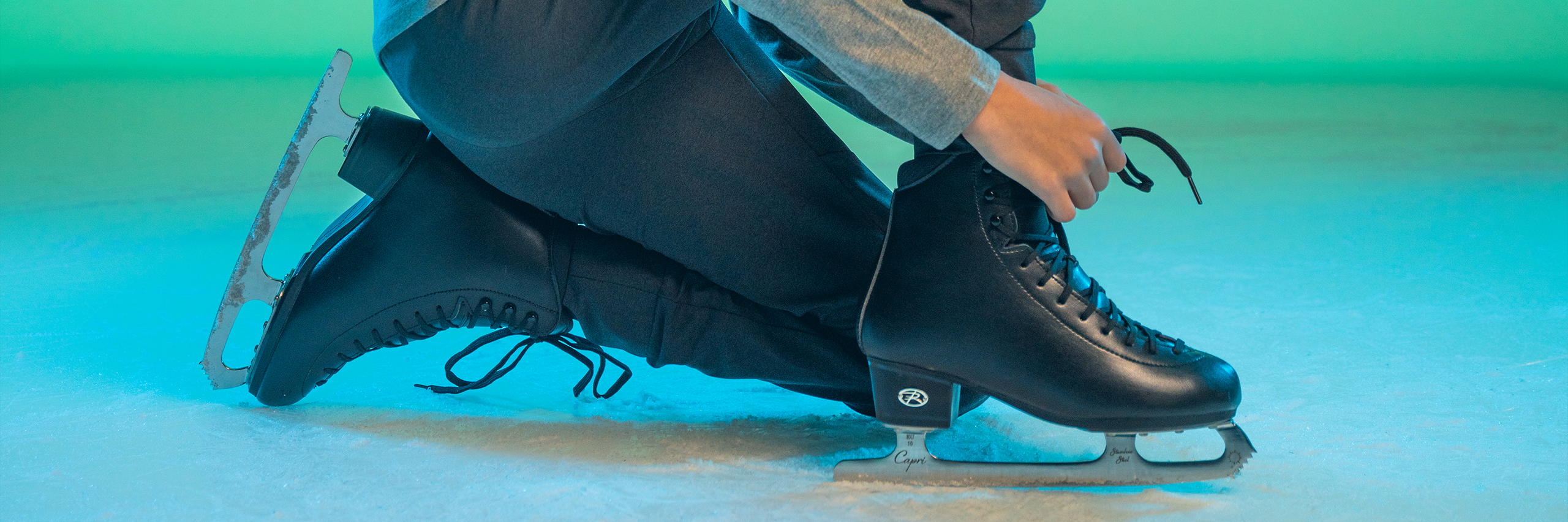
It is also important to select the right type of skates for ice skating. The skates chosen should fit properly, be made from strong materials, and have quality runners. Skates that are too big or too small, or made from poor-quality materials, can cause problems and risk injury.
Beginners should invest in a good pair of skates suited to their level. Buying quality equipment in the right size makes learning ice skating easier and more enjoyable.
When selecting skates, consider the type of ice skating you plan to do and invest in gear specialized for your activity. For example, figure skating requires a different type of skate than hockey, and competitive skaters will want a more advanced skate than someone just starting out.
It is also important to consider the type of blade on the skate. Blades come in different shapes and sizes, and the right blade can make a big difference in your skating performance.
Becoming an Expert Ice Skater: The Role of Practice in Improving Ice Skating Skills
Practice plays an important role in becoming an expert ice skater. To become proficient, practice must be frequent and focused. Regularly attending classes or investing time in a figure eight helps develop skills faster than simply daydreaming while on the ice.
Moments of relaxation will help you enjoy this learning process. But pushing yourself will bring quicker results and make your work more rewarding. Taking your improvement seriously will allow you to progress from a casual level to an avid, serious skater in no time!
FAQs
There are resources out there for adults to learn to ice skate as well as kids. Remember: it may take adults a little longer to master the basics.
Aim for once or twice a week as a minimum for ice skating practice. More frequent practice sessions could speed up progress, but you should go at the pace you’re comfortable with.
Generally, yes. Private lessons typically include direct feedback that helps you correct mistakes specific to your form and skill level.
Ready for Your First Step on the Ice?
However long it takes to learn, having the right skates from the start can make the process much smoother. Riedell provides casual skates that pair quality with affordability, so you can get out on the ice without a huge financial risk. For a great first pair of ice skates, look to the Soar, Sparkle, Bruin, and Ember models.